
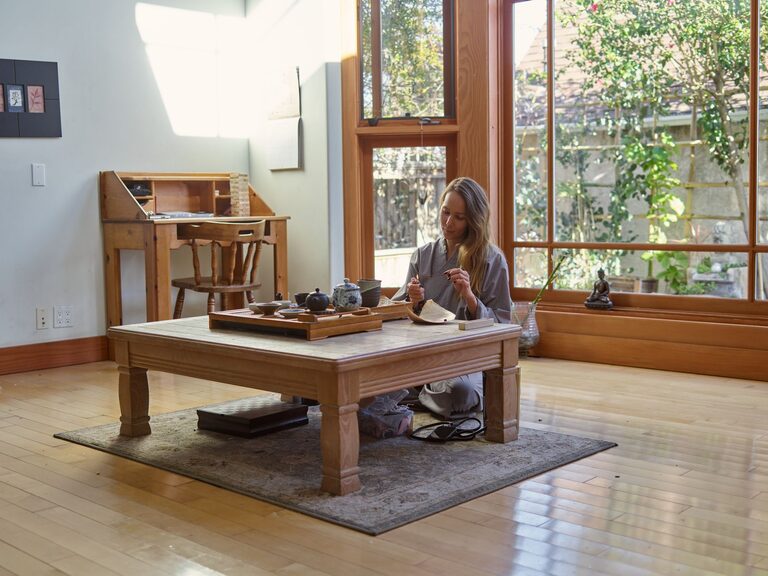
A mindful break does not need to take half an hour. In just five minutes, you can pause, notice what is happening around you, and return to your next task with a clearer sense of purpose.
These short breaks are easy to fit into a workday, study session, commute, or busy afternoon. The goal is not to empty your mind or achieve perfect calm. Instead, mindful breaks give you a chance to slow down and pay attention to the present moment.
Why take a five-minute mindful break?
Long stretches of screen time, meetings, errands, and other tasks can make the day feel like one continuous rush. A brief pause creates a natural stopping point before you move on to something else.
Five-minute breaks can help you:
– Shift your attention away from one task
– Notice tension, tiredness, or restlessness
– Refresh your focus
– Create space between activities
– Enjoy a small moment without multitasking
– Approach your next task more deliberately
A mindful break does not have to be complicated. Choose one activity, give it your full attention, and let the five minutes be enough.
1. Try a simple breathing pause
Breathing is always available, which makes it one of the easiest ways to create a mindful break.
Find a comfortable position and let your shoulders relax. You do not need to change your breathing right away. Simply notice the feeling of air moving in and out.
For five minutes:
- Breathe naturally.
- Notice the rise and fall of your chest or abdomen.
- Pay attention to the temperature of the air.
- When your mind wanders, gently return to your breath.
- Continue without judging yourself.
Your attention may drift several times. That is normal. Each time you notice and return to your breathing, you are practicing awareness.
2. Take a mindful stretch
A few gentle movements can help you reconnect with your body after sitting or standing in one position.
Stand up if it is comfortable, or remain seated. Slowly roll your shoulders, stretch your arms, or gently move your neck from side to side. Keep the movements easy and avoid forcing any position.
As you stretch, notice:
– Where your body feels relaxed
– Where you feel stiffness or tension
– How your muscles respond to movement
– The feeling of your feet on the floor
– The difference between stillness and motion
Move slowly enough to stay aware of each action. This is less about completing a routine and more about paying attention while you move.
3. Practice a five-minute sensory check-in
Your senses can help bring your attention back to the present. Choose a quiet place and look around without trying to change anything.
You can use the following guide:
– Notice five things you can see.
– Notice four things you can feel.
– Notice three things you can hear.
– Notice two things you can smell.
– Notice one thing you can taste.
You can also adapt this exercise to your surroundings. For example, notice the color of an object, the texture of your chair, the sound of air moving through a vent, or the taste of your drink.
The purpose is not to find unusual details. Ordinary sights and sounds are enough.
4. Sip a drink without multitasking
A cup of water, tea, or coffee can become a mindful pause when you drink it without checking messages or working at the same time.
Before taking a sip, notice the color and appearance of the drink. Pay attention to its temperature and scent. Take a small sip and notice the flavor, texture, and sensation as you swallow.
Continue at a slower pace than usual. If your attention moves to a nearby screen or thought, gently bring it back to the drink.
This break can be especially useful between tasks because it gives you a clear beginning and end. When the drink is finished, take one more breath before returning to your schedule.
5. Look out a window
A change in visual focus can make a short break feel refreshing. If possible, look out a window or find a place where you can see something beyond your immediate workspace.
Spend five minutes observing without trying to analyze the scene. You might notice:
– Moving clouds
– Leaves or branches
– Light and shadows
– People walking
– Buildings and other shapes
– Changes in color
Let your eyes move naturally. You do not need to stare at one object. The simple act of looking farther away and noticing the world can create a useful pause from close-up tasks.
6. Take a slow, mindful walk
You do not need a long route to take a mindful walk. Walk around your home, office, hallway, or building at a comfortable pace.
As you walk, notice the movement involved in each step. Feel your foot lift, move forward, and meet the ground. Pay attention to your posture and the rhythm of your movement.
You can also notice the space around you, including sounds, colors, and changes in temperature. If thoughts about your next task appear, acknowledge them and return your attention to walking.
Keep the route simple. The goal is not exercise or reaching a destination. It is to spend a few minutes moving with awareness.
7. Clear one small area
Tidying can become a mindful activity when you focus on one small space rather than trying to organize everything.
Choose a surface such as part of your desk, a kitchen counter, or a shelf. For five minutes, put away items, remove rubbish, or group similar things together.
Pay attention to each action:
– Pick up one item at a time.
– Notice its shape, weight, and texture.
– Decide where it belongs.
– Finish one small action before starting another.
When the five minutes are over, stop even if the whole area is not finished. The aim is to practice focused attention, not complete a major cleaning project.
8. Write a quick attention reset
Writing can help you pause and identify what deserves your attention next. Take a sheet of paper or open a blank note, then respond to one or more prompts:
– What am I noticing right now?
– What has been taking up my attention?
– What is one task I want to focus on next?
– What can wait until later?
– What is one small thing I appreciate today?
Write freely without worrying about grammar or style. You do not need to create a full journal entry. A few honest sentences or a short list can be enough.
End by choosing one clear next step. This helps turn the break into a gentle transition rather than another unfinished activity.
How to make mindful breaks a habit
The easiest way to use mindful breaks regularly is to connect them to events that already happen. Try taking one after a meeting, before lunch, when you finish a work block, or while waiting for an appointment.
A timer can help you keep the break to five minutes, but it is optional. You can also place a reminder near your computer, water bottle, or workspace.
Experiment with different types of breaks. Breathing may suit a busy moment, while walking or stretching may feel better after a long period of sitting. The best mindful break is one you can repeat without adding pressure to your day.
Five minutes may seem brief, but a deliberate pause can change the way you move from one activity to the next. Start with one simple practice, give it your attention, and let that small moment count.

Related Posts