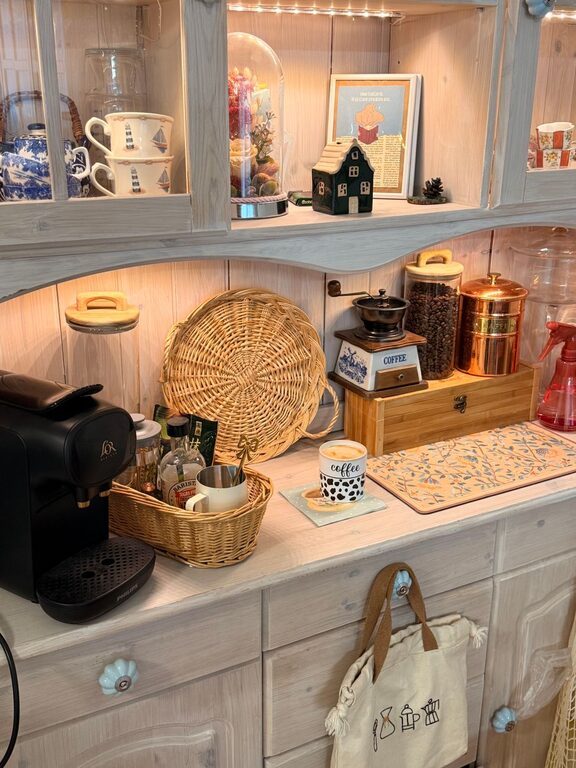
A coffee station can make your morning routine easier while adding a welcoming feature to your kitchen or dining area. It does not need to be large or expensive. With a little planning, you can create a setup that keeps your coffee supplies organized, looks attractive, and works well for your daily habits.
Whether you enjoy drip coffee, espresso, French press, or tea, the key is to create a station that fits your space and includes only what you use regularly.
Choose the Right Location
Start by deciding where your coffee station will go. Look for a spot that is easy to reach in the morning and close to an electrical outlet if you use an electric coffee maker.
Good locations include:
– A section of kitchen counter
– A small rolling cart
– A sideboard or buffet
– A breakfast nook
– A sturdy shelf with enough clearance
– A cabinet with an open counter area
Keep the station away from areas where water may splash directly onto appliances or supplies. Also check that cabinet doors, drawers, and nearby appliances can open without hitting the coffee maker.
If you have limited counter space, a compact tray can help define the station. Place the tray under the coffee maker, mugs, and accessories. This keeps everything together and makes it easier to move the setup when you need more workspace.
Measure Before You Buy
Before purchasing storage containers or equipment, measure the available area. Note the width, depth, and height of the space, including the room needed to open the coffee maker lid or remove a water reservoir.
Consider these questions:
– Can the coffee maker fit comfortably?
– Is there room for mugs and supplies?
– Will the station block a cabinet or drawer?
– Is the outlet easy to reach?
– Can you clean around the equipment?
– Is the surface strong enough to support everything?
Planning ahead prevents a crowded setup and helps you choose accessories that fit properly.
Select Your Coffee Equipment
The best equipment depends on how you like to make coffee and how much time you want to spend preparing it.
Drip Coffee Maker
A drip coffee maker is a practical choice for households that make several cups at once. It is generally simple to operate and works well for busy mornings.
Single Serve Brewer
A single serve brewer is convenient for people who prefer one cup at a time. It also allows household members to choose different coffee varieties. However, pods can take up storage space, so plan a container or drawer for them.
French Press
A French press requires no electricity and has a simple design. It is a good option for small spaces, although you will need a kettle and a way to dispose of used grounds.
Pour Over Setup
A pour over brewer creates a compact station and gives you more control over the brewing process. It typically requires a dripper, paper filters, a kettle, and a mug or carafe.
Espresso Machine
An espresso machine can become the centerpiece of a coffee station. Make sure your counter is deep and sturdy enough, and allow room for accessories such as a grinder, tamper, and cleaning brush.
Choose equipment based on your routine rather than appearance alone. A smaller setup that you use every day is more useful than a complicated collection of tools.
Organize the Essentials
Once you have selected the main equipment, gather the items you use most often. Common coffee station supplies include:
– Coffee beans or ground coffee
– Filters
– Mugs
– Spoons
– Sugar or other sweeteners
– Milk or creamer
– A kettle
– A coffee scoop
– A grinder
– A small waste container for used grounds
Keep everyday items within easy reach. Less frequently used items, such as special serving pieces or extra filters, can go in a nearby cabinet.
Use small containers to group supplies. A lidded jar can hold coffee beans, while a basket can store filters and scoops. Matching containers create a neat appearance, but clear containers are often more practical because they show when supplies are running low.
Add Smart Storage
Storage makes a coffee station easier to maintain. Use the space above, below, and beside the coffee maker without making the area feel crowded.
A small shelf can hold mugs or jars. Wall hooks can display favorite cups and free up counter space. A drawer organizer can separate filters, measuring spoons, and stirrers.
If you use a cart, assign each level a purpose:
– Top level: coffee maker, kettle, and daily supplies
– Middle level: mugs, coffee containers, and accessories
– Bottom level: extra supplies, serving pieces, or cleaning items
For a small kitchen, consider a cabinet coffee station. Keep the coffee maker on a sturdy shelf, with mugs and ingredients stored nearby. Make sure there is enough ventilation and that the cabinet can remain open while the appliance is operating.
Create a Convenient Beverage Area
A coffee station can also serve tea, hot chocolate, or cold drinks. If several people in your household have different preferences, organize the supplies by type.
For example, use one container for tea bags, another for sweeteners, and a separate area for coffee accessories. A small menu board or label can help visitors find what they need without opening every drawer.
If you often serve guests, keep extra mugs, napkins, and spoons near the station. A small tray can make it easy to carry several drinks to the table.
Use Decor Without Losing Function
Personal touches can make the station feel like part of your home. Add a framed print, a small plant, a seasonal sign, or a favorite piece of pottery.
Choose decorations that can handle occasional splashes and are easy to move when cleaning. Avoid placing fabric, paper, or delicate items too close to hot equipment or water.
A simple color scheme can make the area look polished. For example, use matching jars, a wooden tray, and mugs in complementary colors. You do not need every item to match; repeating one or two colors is usually enough to create a coordinated look.
Keep the Station Clean
Coffee grounds, drips, and spills can build up quickly. A simple cleaning routine keeps the station attractive and helps protect your equipment.
Wipe the counter and coffee maker regularly. Empty used grounds or pods promptly, and rinse removable parts according to the manufacturer’s instructions. Wash mugs, scoops, and containers as needed.
Set aside a few minutes each week to:
- Check coffee supplies and remove expired products.
- Wipe shelves, trays, and storage containers.
- Clean the coffee maker or brewer.
- Wash the grinder and remove leftover grounds.
- Refill filters, sweeteners, and other essentials.
- Return unused items to their proper places.
Keeping only useful items at the station will prevent clutter from returning.
Make It Fit Your Routine
The most successful coffee station is designed around how you actually use it. If you prepare coffee before sunrise, keep the most important items easy to reach. If you enjoy a slow weekend brew, create room for a scale, grinder, or serving carafe.
Observe the station for a week after setting it up. You may discover that certain items are in the wrong place or that you need more storage for a particular supply. Small adjustments can make the setup much more efficient.
A home coffee station does not have to be elaborate. With a suitable location, dependable equipment, organized storage, and a few personal details, you can create a comfortable space that makes coffee preparation simpler and more enjoyable every day.

Related Posts