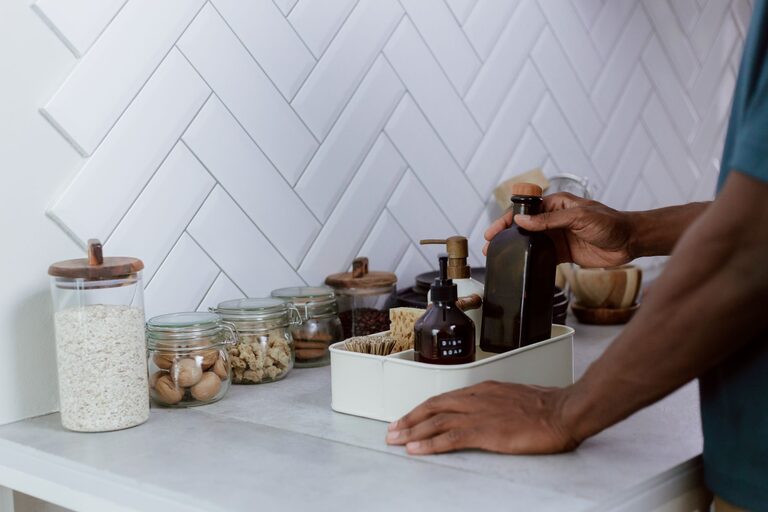
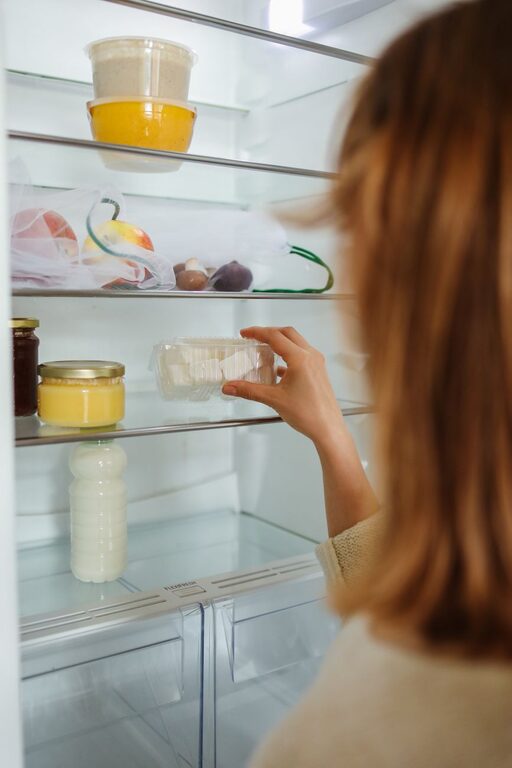
A tidy fridge and pantry make everyday cooking easier. You can see what you have, find ingredients quickly, and avoid buying duplicates. An organized food storage area can also help reduce waste because older items are less likely to get forgotten.
The key is not to create a perfect display. Instead, focus on simple systems that are easy to maintain. A short weekly reset, combined with practical storage habits, can keep your fridge and pantry neat without requiring hours of work.
Start With a Complete Reset
Before organizing, remove everything from one area at a time. Working in sections keeps the task manageable and prevents food from sitting out too long.
For the fridge:
- Remove food, drinks, and containers.
- Check dates and the condition of each item.
- Wipe shelves, drawers, and the inside of the door.
- Group similar items together.
- Return food using a simple storage plan.
For the pantry, clear one shelf or cabinet at a time. This makes it easier to clean and helps you avoid creating a large, confusing pile on the counter.
As you sort, discard items that are spoiled, leaking, damaged, or no longer suitable to use. For foods with dates, use your best judgment and follow the package instructions. If you are unsure about an item’s safety or quality, it is best to avoid using it.
Create Zones in the Fridge
A fridge is easier to manage when each area has a purpose. Your exact layout may depend on the model, but the following zones work well in many kitchens.
Top Shelves
Use the top shelves for ready-to-eat foods, leftovers, snacks, and drinks. Keeping these items at eye level makes them easier to remember and use.
Place leftovers in clear containers whenever possible. Add a label with the name and date if you are unlikely to remember when the food was stored.
Middle Shelves
The middle shelves are useful for dairy products, spreads, prepared ingredients, and other foods you reach for often. Grouping similar items together prevents small containers from becoming scattered.
For example, keep yogurt and cheese in one section and sauces or dips in another. You do not need a large number of categories. A few broad groups are usually enough.
Lower Shelves
Store raw meat, poultry, or seafood on the lowest shelf in a sealed container or tray. This helps prevent leaks from reaching other foods.
If you do not regularly store these items, use the lower shelf for larger containers, meal ingredients, or foods that need extra space. Avoid overfilling the shelf, since crowded spaces are harder to clean.
Drawers
Use drawers for produce, but avoid packing them too tightly. Airflow helps many fruits and vegetables stay in better condition.
If your fridge has more than one drawer, separate produce when practical. Some fruits can cause nearby vegetables to ripen faster. Keeping produce organized also makes it easier to spot items that need to be used soon.
Door Shelves
The door is a convenient place for condiments, pickles, spreads, and other items that are less sensitive to temperature changes. Use the tallest shelves for bottles and the smaller sections for jars or packets.
Try not to store items in the door simply because there is space. Assigning each section a purpose will make restocking much easier.
Use Containers That Make Food Visible
Clear containers are useful because they allow you to see what is inside without opening every lid. Choose containers that stack securely and fit the shelves in your fridge or pantry.
For leftovers, use containers in a few standard sizes rather than collecting many shapes. Uniform containers are easier to stack and clean. They also help you use space efficiently.
Avoid filling a container so completely that it becomes difficult to identify the food. For pantry staples, sealed containers can protect contents from moisture and help keep shelves looking orderly. Add labels when the contents are not obvious.
Organize the Pantry by Category
A pantry works best when similar foods stay together. Common categories include:
– Baking supplies
– Breakfast foods
– Canned goods
– Grains and pasta
– Snacks
– Spices and seasonings
– Cooking oils and sauces
– Tea, coffee, and drink mixes
Place frequently used foods at eye level or within easy reach. Store heavier cans and large bags on lower shelves. Keep occasional-use items higher up, as long as they remain easy to access safely.
Bins can help group small packages, such as snack bars, seasoning packets, or baking decorations. A shallow bin is often better than a deep one because you can see and reach the contents more easily.
Follow the First In, First Out Method
When you buy new food, place it behind older items. Move older products toward the front so they are used first. This simple method works especially well for cans, boxes, jars, and pantry staples.
When unpacking groceries, take a moment to check existing supplies. If you already have an open package, place the new one behind it. This habit takes only a few seconds and can reduce forgotten food.
For items with short shelf lives, create a “use soon” area in the fridge. A small labeled container or a dedicated shelf section can remind you to use leftovers, opened packages, and produce before buying more.
Keep the Fridge From Becoming Too Full
An overfilled fridge makes it difficult for cool air to circulate and hides food at the back. It also makes cleaning more difficult.
Leave enough space to see the back of each shelf. If a shelf is always crowded, consider whether some items belong in the pantry or whether you are storing more food than you can use.
When putting groceries away, remove unnecessary packaging when appropriate. For example, take individual yogurt cups or small snack packages out of large cardboard boxes if the boxes are taking up extra space. Keep important cooking instructions or product information when needed.
Make Cleaning Part of Your Routine
A regular maintenance routine prevents large cleaning jobs. Once a week, take a few minutes to:
– Check for spoiled or expired food
– Wipe visible spills
– Move older items forward
– Combine duplicate open packages when practical
– Review what needs to be used soon
Clean spills as soon as possible, especially sticky sauces or liquids. For a deeper clean, remove shelves and drawers according to the manufacturer’s instructions and wash them with warm, soapy water. Allow removable parts to dry before replacing them.
The pantry may need less frequent cleaning, but sweep or wipe shelves when crumbs and dust appear. Check corners for open packages, forgotten items, or signs of moisture.
Avoid Common Organization Mistakes
Some storage habits look helpful but create extra work. Avoid using too many containers, since transferring every item can take time and make it harder to track package information.
Do not stack items so high that they fall when you remove one product. Avoid deep bins that hide food at the back. Also, resist creating a complicated labeling system that you will not maintain.
The best system is the one your household can follow. If several people use the kitchen, make categories clear and keep everyday items in predictable locations.
Build a Simple Weekly Reset
Choose one day each week for a quick fridge and pantry check. This does not need to be a major cleaning session. A 10- to 15-minute reset can make a noticeable difference.
Look through the fridge first and move foods that need to be used soon to the front. Then check the pantry for open packages and low supplies. Wipe any visible mess, return misplaced items, and make a short shopping list based on what you actually need.
With consistent small habits, your fridge and pantry can stay tidy with much less effort. Organize by category, keep food visible, use older items first, and make quick resets part of your regular routine.

Related Posts