
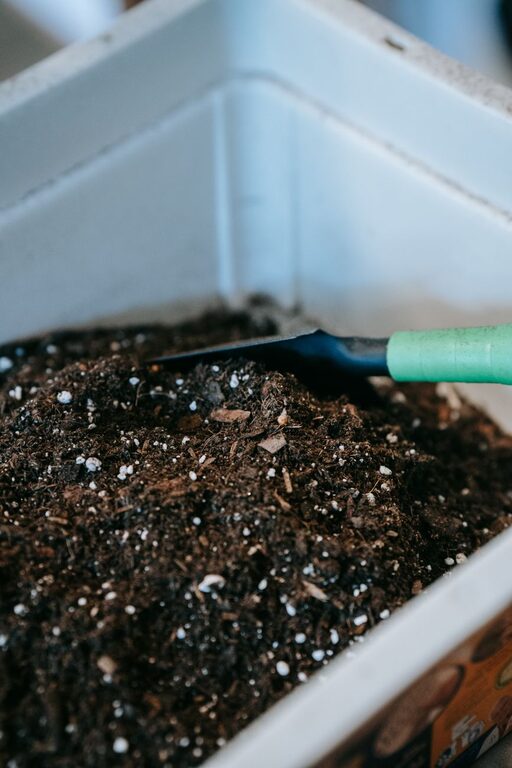
Composting is a simple way to turn everyday food scraps and yard waste into a nutrient-rich material for plants. It can reduce the amount of organic waste sent to landfills while helping improve garden soil.
You do not need a large yard or expensive equipment to begin. With the right container, a basic mix of materials, and a little patience, almost anyone can create compost at home.
What Is Composting?
Composting is the natural process of breaking down organic materials into a dark, crumbly substance called compost. Microorganisms, insects, air, and moisture all help transform items such as leaves and vegetable scraps.
Finished compost can be added to garden beds, containers, lawns, and around trees. It helps soil hold moisture, improves texture, and adds organic matter.
The process works best when you combine two main types of materials:
– Green materials: Items rich in nitrogen, such as fruit and vegetable scraps, coffee grounds, and fresh grass clippings
– Brown materials: Items rich in carbon, such as dry leaves, plain cardboard, paper, and small twigs
A good compost pile needs both types.
Choose the Right Composting Method
The best setup depends on your available space, the amount of organic waste you produce, and how involved you want to be.
Outdoor compost bin
An outdoor bin is a practical choice if you have a yard. You can buy a ready-made compost bin or create a simple enclosure using wire mesh, wooden boards, or other suitable materials.
Place the bin on bare soil if possible. This allows helpful organisms, including earthworms and insects, to enter the pile. Choose a location with good drainage and convenient access. A spot with partial shade can help prevent the compost from drying out too quickly.
Compost tumbler
A compost tumbler is a sealed container that rotates. It can be easier to turn than a large pile and may help keep the area tidy. Tumblers usually work best when they receive a balanced mix of materials and are not packed too tightly.
Indoor worm composting
Worm composting, also called vermicomposting, is useful for apartments or homes without outdoor space. Special bins use composting worms to break down food scraps.
This method requires a suitable bin, bedding such as shredded paper or cardboard, and the right types of food scraps. Keep the bin away from extreme heat and cold, and avoid overfeeding the worms.
Community composting
If home composting is not practical, check whether your local area offers a community composting program. Some programs accept food scraps at drop-off points or provide collection services.
Start With the Right Materials
Beginners often do best by adding a small amount of material at a time. Common compostable items include:
– Fruit and vegetable scraps
– Coffee grounds and paper filters
– Tea leaves or tea bags made from compostable materials
– Crushed eggshells
– Dry leaves
– Untreated grass clippings
– Plain cardboard
– Shredded, non-glossy paper
– Small plant trimmings
– Straw or untreated wood chips
Cut larger items into smaller pieces before adding them. Smaller pieces have more surface area, which helps them break down faster.
Avoid adding materials that may attract pests, create unpleasant odors, or introduce harmful substances. These commonly include:
– Meat, fish, and bones
– Dairy products
– Greasy or oily foods
– Pet waste
– Diseased plants
– Weeds that contain mature seeds
– Coal or charcoal ash
– Glossy paper and coated cardboard
– Treated or painted wood
Local composting rules may differ, especially for community collection programs, so check the instructions for your specific system.
Balance Green and Brown Materials
A compost pile needs a combination of moist green materials and dry brown materials. Too many green materials can make the pile wet and smelly. Too many brown materials can slow decomposition.
A simple beginner guideline is to add roughly two or three parts brown material for every one part green material by volume. You do not need to measure every addition precisely. Instead, try to layer or mix the materials as you go.
For example, place a layer of dry leaves or shredded cardboard in the bin, then add vegetable scraps. Cover the scraps with another layer of brown material. This helps control odors and discourages flies.
Keep extra dry leaves, torn cardboard, or shredded paper nearby. They can be added whenever the pile looks too wet or contains many fresh food scraps.
Manage Moisture and Air
Compost should be moist, but not soaked. A useful comparison is a wrung-out sponge. If the pile is dry, add a small amount of water while mixing it. If it is too wet, add dry leaves, cardboard, or paper.
Air is also important because many composting organisms need oxygen. Turn the pile with a garden fork or compost aerator every week or two. Mixing helps distribute moisture, add air, and move newer materials into the center.
If you use a compost tumbler, rotate it according to the manufacturer’s instructions. Avoid turning the pile constantly, since compost also needs time to settle and break down.
Watch for Common Problems
Most composting problems are easy to correct.
Bad odors
A strong rotten smell usually means the pile is too wet or has too much green material. Add dry brown materials and turn the pile to improve airflow.
The pile is not breaking down
Slow decomposition may be caused by a dry pile, large pieces, cold temperatures, or too much brown material. Add a little moisture, mix the contents, and include more green materials.
Flies or pests
Cover fresh food scraps with a layer of brown material. Use a secure lid if needed, and avoid adding meat, dairy, oils, or cooked foods that contain these ingredients.
The compost is too dry
Add water gradually and mix the pile. Dry leaves and cardboard can absorb moisture, so balance them with fresh green materials when possible.
Know When Compost Is Finished
Finished compost is usually dark brown, crumbly, and earthy-smelling. You should not be able to recognize most of the original materials. Depending on the setup, ingredients, weather, and maintenance, compost may take several months or longer to mature.
Let finished compost rest for a short period before using it. If it still contains many recognizable scraps or feels warm in the center, give it more time.
You can mix finished compost into garden soil, spread a thin layer around plants, or add a small amount to potting mixtures. Avoid using large amounts in place of regular soil, since compost works best as a soil amendment.
Make Composting a Simple Habit
The easiest way to stay consistent is to keep a small container in the kitchen for food scraps. Empty it into your outdoor bin or worm bin regularly so it does not become messy or attract odors.
Begin with a manageable system and learn as you go. You do not need perfect ratios or specialized tools. By combining green and brown materials, maintaining moderate moisture, and adding air, you can create useful compost while making better use of household organic waste.
