
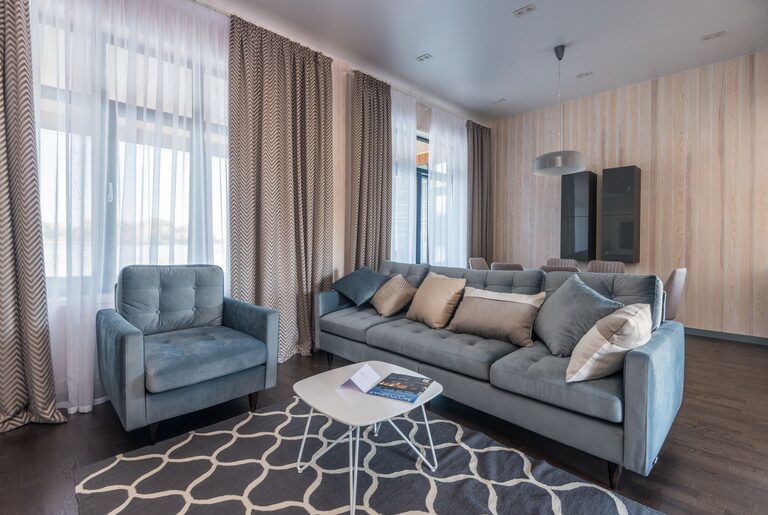
A noisy home can make it harder to relax, work, sleep, or enjoy time with family. Some sounds come from outside, while others are created inside the home by appliances, footsteps, doors, and everyday activities. The good news is that you do not need a major renovation to make a noticeable difference.
Small changes can help absorb sound, block gaps, reduce vibrations, and prevent noise from traveling between rooms. Try the ideas below to create a calmer and more comfortable home.
Find the Main Sources of Noise
Before buying materials or moving furniture, spend a few minutes identifying where the noise comes from. Listen at different times of day and note which sounds are most distracting.
Common sources include:
– Traffic, lawn equipment, or neighbors outside
– Voices and televisions in nearby rooms
– Footsteps on hard floors
– Doors closing or cabinets slamming
– Washing machines, dryers, fans, and refrigerators
– Plumbing sounds from bathrooms and kitchens
– Echoes in rooms with bare walls and floors
Knowing the source helps you choose the right solution. Soft materials are useful for echoes, while weatherstripping can help with sound coming through gaps around doors and windows.
Add Soft Furnishings
Hard surfaces reflect sound, which can make a room feel loud or echoing. Soft furnishings absorb some of those reflections and help create a quieter atmosphere.
Consider adding:
– Area rugs or runners on hard floors
– Curtains or fabric blinds
– Upholstered chairs and sofas
– Cushions and blankets
– Fabric wall hangings
– Bookshelves filled with books
An area rug is especially useful in rooms with wood, tile, or laminate flooring. Add a rug pad underneath to provide extra cushioning and help reduce the sound of footsteps. In open rooms, placing rugs in different areas can also make the space feel more comfortable and defined.
Heavy curtains can help reduce sound coming through windows, especially when they cover the full window area and extend slightly beyond the frame. They will not block all outside noise, but they can soften it while also improving privacy and light control.
Seal Gaps Around Doors and Windows
Small gaps can allow sound to pass easily between rooms or from outdoors. Check the edges of exterior doors, interior doors, and windows for visible openings or drafts.
Simple improvements include:
– Applying weatherstripping around door and window frames
– Adding a door sweep along the bottom of an exterior door
– Using a draft stopper for interior doors
– Replacing worn or damaged window seals
– Closing gaps around removable air-conditioning units
Weatherstripping is usually easy to install and comes in several forms, including foam, rubber, and brush strips. Choose a product that fits the size of the gap and does not prevent the door or window from closing properly.
For rented homes, removable draft stoppers and fabric door snakes can be useful options. Always follow the instructions for any product, and avoid blocking required ventilation or emergency exits.
Rearrange Furniture to Absorb Sound
Furniture placement can affect how sound moves through a room. Large, solid pieces can help reduce sound travel when placed against shared walls.
Try these adjustments:
– Place a full bookcase against a wall shared with another room
– Position a sofa or upholstered chair near a noisy wall
– Keep beds and desks away from walls that carry outside noise
– Place cabinets between quiet areas and louder spaces
– Avoid leaving large bare walls and open corners
A bookcase filled with books can help break up sound reflections. It works best when it is full and placed securely against the wall. A cabinet or wardrobe can also provide some separation, though it should not be packed so tightly that it damages the wall or creates a safety concern.
Reduce Footstep and Impact Noise
Footsteps, dropped objects, and moving furniture can be among the most noticeable sounds in a home. These are called impact sounds because they come from contact with a floor or another surface.
To reduce them:
– Use rugs or carpet runners in busy walkways
– Add felt pads under chair and table legs
– Place rubber mats under exercise equipment
– Lift furniture instead of dragging it
– Use soft-close pads on cabinet doors
– Add a cushioned mat near kitchen or laundry areas
If children or pets are active indoors, create a play area with a thick rug or foam floor tiles. This can reduce the sound of toys and movement while protecting floors from scratches.
Make Appliances Quieter
Household appliances can create humming, rattling, or vibrating sounds. Start by checking whether the appliance is level and positioned correctly. Uneven placement can cause extra movement and noise.
Helpful steps include:
– Place rubber pads under a washing machine or dryer
– Keep appliances a small distance from walls and cabinets
– Clean fans, filters, and vents as recommended
– Tighten loose handles, panels, or shelves
– Avoid overloading machines
– Close appliance doors and cabinets gently
A washing machine that shakes during a cycle may need its feet adjusted. Check the manufacturer’s instructions before making changes. If an appliance suddenly becomes much louder than usual, inspect it for a simple issue such as an unbalanced load or loose part.
Control Echoes in Large or Empty Rooms
Rooms with high ceilings, bare floors, and minimal furniture can produce strong echoes. You can soften the sound without filling the room with unnecessary items.
Try adding:
– A large rug
– Curtains or fabric shades
– Wall art with fabric or textured surfaces
– A sofa, armchair, or padded bench
– Plants with broad leaves
– Open shelves with books and decorative items
The goal is to use a mix of materials and shapes. A completely empty wall reflects sound, while a wall with furniture, artwork, or textiles helps break up the reflection.
Create a Quieter Room
If noise affects your ability to focus or rest, choose one room to serve as a quieter space. It does not need to be completely silent. The aim is to make it more comfortable and less distracting.
Select a room away from the kitchen, laundry area, entryway, or main television. Add a rug, curtains, and soft furniture. Use a bookcase or wardrobe on a shared wall, and seal any obvious gaps around the door.
You can also use steady background sounds, such as a fan or a sound machine, to make sudden noises less noticeable. Keep the volume low and place the device away from the bed or work area.
Build Quieter Everyday Habits
Changes in behavior can be just as helpful as changes to the home. Agreeing on a few simple household habits can reduce noise for everyone.
Consider these habits:
– Close doors and drawers gently
– Use headphones for personal devices
– Keep television and speaker volume moderate
– Avoid running noisy appliances late at night
– Place keys and small objects in a tray instead of dropping them
– Tell household members before starting a loud task
– Use soft slippers or indoor shoes on hard floors
These habits are easy to maintain and can prevent repeated noise throughout the day.
Start With the Easiest Improvements
You do not have to change everything at once. Begin with the source of noise that bothers you most. A rug, door sweep, or set of furniture pads may provide a noticeable improvement at a low cost.
Next, look for small gaps, bare surfaces, and vibrating appliances. Test one change at a time so you can see what works. With a combination of soft furnishings, better placement, simple seals, and considerate habits, you can make your home quieter and more relaxing without a major project.
