
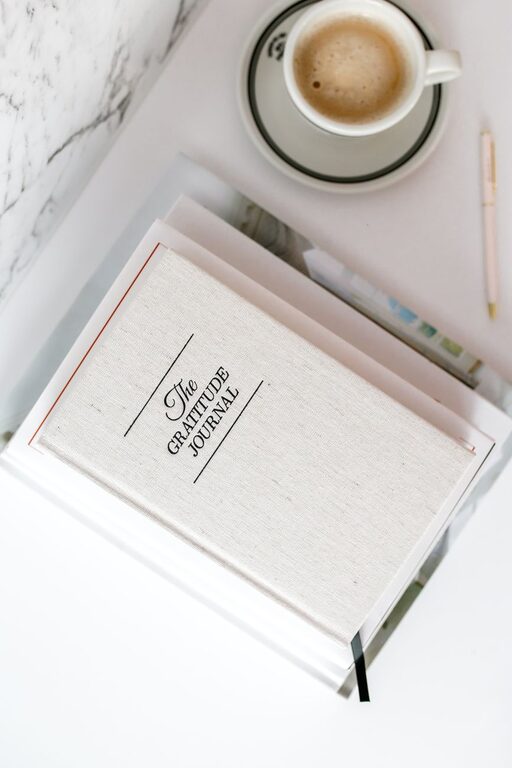
A gratitude journal is a simple place to record things you appreciate. It can be a notebook, a notes app, or any other format that makes writing easy. The goal is not to create perfect entries or find something extraordinary every day. Instead, gratitude journaling gives you a regular moment to notice the people, experiences, objects, and small details that add value to your life.
Starting is often the hardest part. With a few practical steps, you can create a routine that feels natural rather than forced.
What Is a Gratitude Journal?
A gratitude journal is a personal record of things you are thankful for or value. Entries may focus on major events, such as reaching an important goal, or ordinary moments, such as enjoying a warm drink or receiving a thoughtful message.
There are no strict rules. Some people write a list of items, while others describe one experience in more detail. You can also include photographs, sketches, quotes, or short notes.
The most useful format is the one you are likely to continue using.
Choose a Journal Format
Before you begin, choose where you will write. Each option has different advantages, so consider what fits your daily habits.
Paper Notebook
A notebook offers a quiet break from screens and gives your entries a physical form. Choose one that feels comfortable to use, but do not worry about buying an expensive journal. A basic notebook works just as well.
You may prefer:
– A small notebook that fits in a bag
– A lined journal for longer entries
– A blank notebook for writing and drawing
– A dated planner with space for daily notes
Digital Journal
A digital journal can be convenient if you already use your phone or computer regularly. You can type quickly, search previous entries, and add photos or voice notes.
Possible options include:
– A notes app
– A private document
– A journaling app
– A personal text file
If you choose a digital format, consider using a password or privacy setting if your entries include personal information.
A Simple List
You do not need a special tool at all. A short gratitude list in a calendar, planner, or daily task app can be enough. Keeping the process simple may make it easier to maintain.
Set a Realistic Schedule
A regular schedule helps turn journaling into a habit. However, writing every day is not the only option. Choose a frequency that fits your life.
You might write:
– Every morning
– Before bed
– Three times a week
– Every Sunday
– Whenever you need a quiet moment
Start with a small commitment. Writing for two or three minutes is more manageable than promising to fill several pages each day. You can always write more when you have the time and interest.
It may also help to connect journaling with an existing habit. For example, write after breakfast, during a lunch break, or after brushing your teeth at night. This connection can make the new routine easier to remember.
Begin With Simple Prompts
If you are unsure what to write, use a prompt. Prompts give your thoughts a starting point and can help you notice different types of appreciation.
Try answering one of these questions:
– What made today a little better?
– Who helped or encouraged me recently?
– What small comfort did I enjoy today?
– What place makes me feel at ease?
– What skill or ability am I glad to have?
– What did I learn today?
– What ordinary part of my routine do I appreciate?
– What made me smile?
– What problem was made easier by a person, tool, or idea?
– What is something I often overlook but value?
You do not need to answer a new question every time. Repeating a favorite prompt is perfectly fine.
Make Entries Specific
Specific details can make an entry more meaningful. Instead of writing “I am grateful for my friends,” explain what you appreciate about them.
For example:
– “I am grateful that my friend called to check in after a busy week.”
– “I appreciated the quiet walk this afternoon because it gave me time to think.”
– “I am thankful for the neighbor who brought my package inside during the rain.”
Specific writing helps you remember what happened and why it mattered. It also prevents your journal from becoming a routine list of general phrases.
A useful formula is:
I appreciate [person, thing, or experience] because [specific reason].
You can add another detail by describing how the moment affected your day.
Notice Small Moments
Gratitude does not have to be connected to a major success or exciting event. Everyday details often provide the easiest subjects for a journal entry.
You might write about:
– A comfortable place to sit
– A favorite song
– Fresh food
– A helpful conversation
– A good night’s sleep
– Time spent outdoors
– A finished household task
– A useful book or article
– A moment of laughter
– Clean sheets or a warm shower
Looking for small moments keeps the practice accessible. Even on a difficult day, you may be able to identify one neutral or pleasant detail without pretending that everything is perfect.
Keep the Practice Honest
A gratitude journal should not require you to ignore problems or write positive statements that do not feel true. You can acknowledge that a day was challenging while still noting one thing you valued.
For example:
> “Today felt stressful, but I appreciated having a quiet meal in the evening.”
This approach allows room for a full range of experiences. Gratitude is not about denying frustration, disappointment, or tiredness. It is simply a way to give some attention to what is helpful, meaningful, or appreciated.
If you cannot think of anything to write, record a basic fact:
– “I am glad I had a few minutes to rest.”
– “I appreciated the sunlight this morning.”
– “I am thankful for the chance to start again tomorrow.”
There is no need to force an entry. You can also skip a day and return when you are ready.
Try Different Entry Styles
Using the same format every day can become repetitive. Experiment with different styles to keep the practice interesting.
Three Item List
Write three things you appreciated. Add a short reason for each one.
One Detailed Moment
Describe one experience using sensory details. What did you see, hear, feel, or notice?
Gratitude Letter
Write a letter to someone who has helped or inspired you. You do not have to send it. The exercise can simply help you reflect on their influence.
Weekly Review
At the end of the week, look back at your entries and identify common themes. You may notice that you often value time with certain people, creative activities, peaceful spaces, or small comforts.
Photo Entry
Add a photo and write two or three sentences about why the moment was meaningful.
Avoid Common Obstacles
Many people stop journaling because they set expectations that are too demanding. Watch for these common obstacles:
– Trying to write too much: A few sentences are enough.
– Searching for something impressive: Ordinary moments count.
– Missing one day and quitting: Simply continue the next day.
– Comparing your journal with others: Your entries are personal.
– Making the format too complicated: Use the simplest method that works.
– Writing only when life is easy: Honest entries can include mixed feelings.
The purpose is to create a useful pause in your routine, not another task to complete perfectly.
Create a Routine You Can Keep
Once you have tested different approaches, choose a routine that feels practical. Keep your notebook somewhere visible, set a gentle reminder, or place your digital journal near other frequently used apps.
You can also prepare a short fallback option for busy days. For example, write one sentence, one word, or a quick voice note. This helps you maintain the connection to the habit without creating pressure.
After a few weeks, review your approach. Ask yourself:
– Is the timing convenient?
– Do I prefer paper or digital writing?
– Are the prompts useful?
– Am I enjoying the process?
– What would make journaling easier?
Adjust the routine whenever your schedule or preferences change.
Start With One Entry Today
You do not need a perfect notebook, a detailed plan, or a long list of reasons to be grateful. Choose a format, set aside a few minutes, and write about one specific thing you appreciate.
You might begin with:
> “Today, I am grateful for…”
Keep the entry simple and honest. Over time, these brief notes can become a personal record of meaningful moments, everyday comforts, and people or experiences you want to remember.
